They focus on stabilizing the patient and preventing life-threatening complications. Recognizing the signs of alcohol overdose and seeking immediate medical attention is important to prevent these severe outcomes. Mixing alcohol with drugs like opioids or benzodiazepines significantly increases the risk of respiratory depression, coma, and death.
Causes of a Drug or Alcohol Overdose
Immediate medical attention is necessary to prevent further deterioration and ensure appropriate treatment. Binge drinking is a pattern of excessive alcohol consumption over a short period, defined as consuming five or more drinks for men, or four or more drug addiction treatment drinks for women, within about two hours. This level of intake raises blood alcohol concentration (BAC) to 0.08% or higher, leading to significant impairment. Binge drinking is prevalent among adolescents and young adults, particularly in social settings.

Does Drinking on an Empty Stomach Cause Alcohol Overdose?
Individuals who began drinking before age 15 were more likely to report having alcohol use disorder in adulthood. No, alcohol overdose cannot be safely treated at home due to the risk of respiratory failure, coma, and death. Alcohol poisoning requires immediate medical intervention, including airway support, oxygen therapy, and intravenous treatment, none of which are safely administered outside a clinical setting. The BAC for alcohol overdose is above 0.30%, a level considered within the alcohol toxicity threshold where vital functions begin to shut down.
Rediscover Life at White Light Behavioral Health

Alcohol poisoning is diagnosed based on clinical evaluation, medical history, and specific laboratory tests that assess the severity of intoxication. A key diagnostic indicator is measuring blood alcohol concentration (BAC) through blood tests, as levels above 0.30% signal severe poisoning. The body metabolises alcohol through the liver, which processes https://coral-weasel-522490.hostingersite.com/fentanyl-national-institute-on-drug-abuse-nida/ about one standard drink per hour.
- Remember, you don’t need to fit the criteria for alcohol use disorder to benefit from help.
- These outcomes result from suppressed central nervous system activity, oxygen deprivation, and the body’s inability to eliminate ethanol at toxic BAC levels.
- Never leave an unconscious person who might have alcohol poisoning alone.
- It is vital to consult healthcare providers about the risks of alcohol consumption when taking any medication.
- Alcohol overdose is treated by stabilizing the patient’s airway, breathing, and circulation, administering intravenous fluids, and monitoring vital signs.
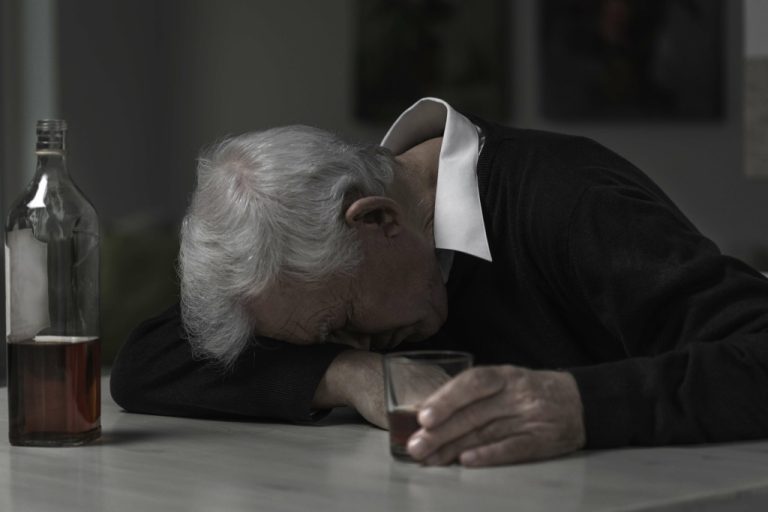
Individuals that pass out may mumble or even take small steps but are completely unconscious, and any methods of waking them up might not work. This is a clear sign of alcohol poisoning that demands immediate medical help. Overcoming an alcohol addiction or substance abuse can be a very hard journey, and it’s important to have a trusted facility and staff by your side while you do it. Behavioral Health Centers is here to offer all our resources so you can live a happier and healthier life. If you’re a heavy drinker or if you have a loved one who struggles with alcohol consumption, understanding the signs, causes, and dangers of alcohol overdose is important.
- If you think you might have a problem with alcohol, call SAMHSA or talk to your healthcare provider.
- With access to helpful information, resources, and support, we believe that you can overcome any challenge and that you can stop drinking.
- If the person has overdosed on an opioid, you can administer naloxone (Narcan), a life-saving medication that rapidly reverses the life-threatening effects of an opioid overdose and temporarily restores breathing.
- Other factors include your medications and how much food you eat before drinking.
- You’ll take part in a blend of traditional and experiential therapies and begin building a strong support system in recovery.
How Can I Avoid Alcohol Poisoning?
Prolonged alcohol poisoning leads to coma or death due to the suppression of critical bodily functions, including breathing and heart rate. The risk factors of alcohol overdose are binge drinking, a history of alcohol use disorder, drinking on an empty alcohol overdose stomach, and combining alcohol with other depressants. Additionally, factors like age, gender, body weight, and underlying health conditions significantly increase the risk of alcohol poisoning.
